What is the difference between a borescope and an endoscope?
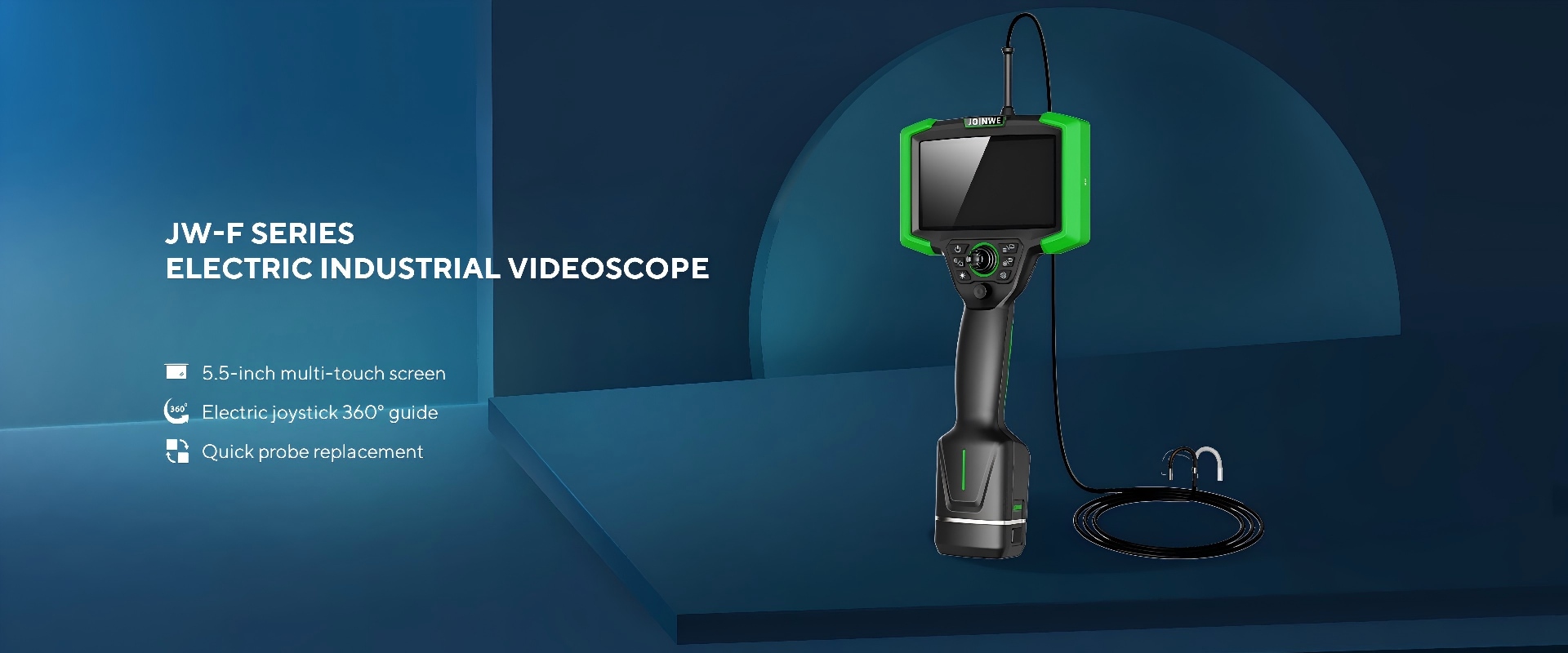
Strictly speaking, a borescope is the rigid endoscope: lenses carry the image along a straight tube, so it only works on straight access paths. In everyday use, however, the term also covers flexible and video borescopes. Endoscope, more common in Europe, names the whole family, which also includes the fiberscope and the videoscope, with a camera at the tip, articulation, recording and, on some models, measurement. When you ask for a quote, describe the entry port and the path rather than just the instrument type.
What is a borescope used for?
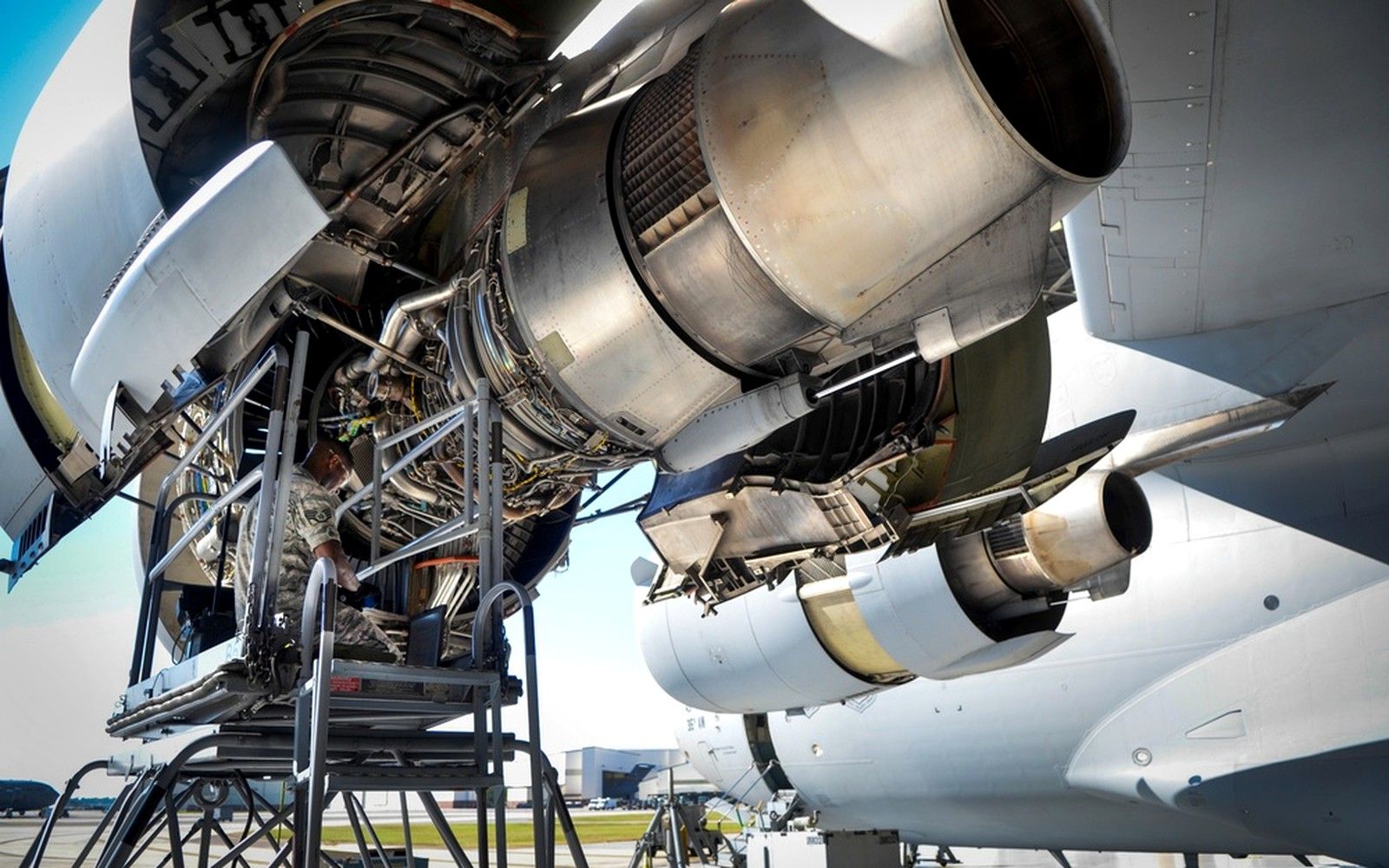
It lets you look inside machines and components without dismantling them: turbines, engines, heat exchangers, piping, castings, tanks and internal welds. Inspectors look for cracks, corrosion, erosion, deposits and foreign objects, and the recorded images support the decision on whether and when to repair.
How much does a borescope cost?
The price varies a lot with the type of instrument. A rigid borescope costs less than an articulating videoscope, while a very thin diameter, a long probe, motorized articulation and 3D measurement all raise the cost. The quickest way to get a real price is to send us a photo of the entry port and how far the probe has to go.
How do I choose an industrial endoscope?
Start with the smallest opening and how far the probe has to go, then decide on articulation and whether you need to measure defects. Image quality, lighting and ruggedness come next, because an excellent instrument that won’t fit through the port is of no use.
What probe diameter do I need?
It is set by the narrowest point along the whole path, which is often not the entry port: it can be a valve, a baffle or a step-down in bore partway along. That is why it should be measured with calipers or taken from the drawing, not estimated by eye.
Can defects be measured with a videoscope?
Yes, with models that offer measurement. Comparative measurement uses a reference of known size in the image; stereo 3D measurement reconstructs depth and lets you measure crack length, pitting depth or edge wear on screen.
Which endoscope do I need to inspect engines?
To look at cylinders, valves and pistons through the spark plug or injector hole, a short, small-diameter probe, even a rigid one, is often enough. Turbines and aircraft engines need longer articulating videoscopes, and the acceptance criteria are those in the engine manufacturer’s manual.
Is certification required for visual inspection?
There’s no blanket legal requirement, but many specifications and construction codes call for VT-qualified operators (ISO 9712 or, on ASME work, SNT-TC-1A). Under the Pressure Equipment Directive (PED, 2014/68/EU), NDT personnel for permanent joints must be qualified and, for categories III and IV, approved by a recognized third-party organization. For in-house maintenance inspections, your own procedure governs.
How do I request a quote?
Message us on WhatsApp or fill in the form with the port diameter, how far the probe has to go, what you need to inspect and the working environment. If you have a photo of the entry port, send it via WhatsApp or email. We reply with the right configuration and a quote within 24 hours.